Zero-Waste Real Estate: How Virtual Property Tours Are Transforming Sustainability
 MytePro
Updated:2025-10-17
MytePro
Content
For decades, physical property showrooms have been the backbone for real estate marketing, providing potential buyers with a realistic, tangible experience of property shopping. Developers poured money into these sales galleries and showrooms, spaces that require numerous interior furnishing, constant lighting and HVAC, and frequent renovations. But what goes unnoticed is how these maintenance and operation efforts lead to waste, pollution, and large energy consumption, all increasingly conflicting with the sector’s climate goals.
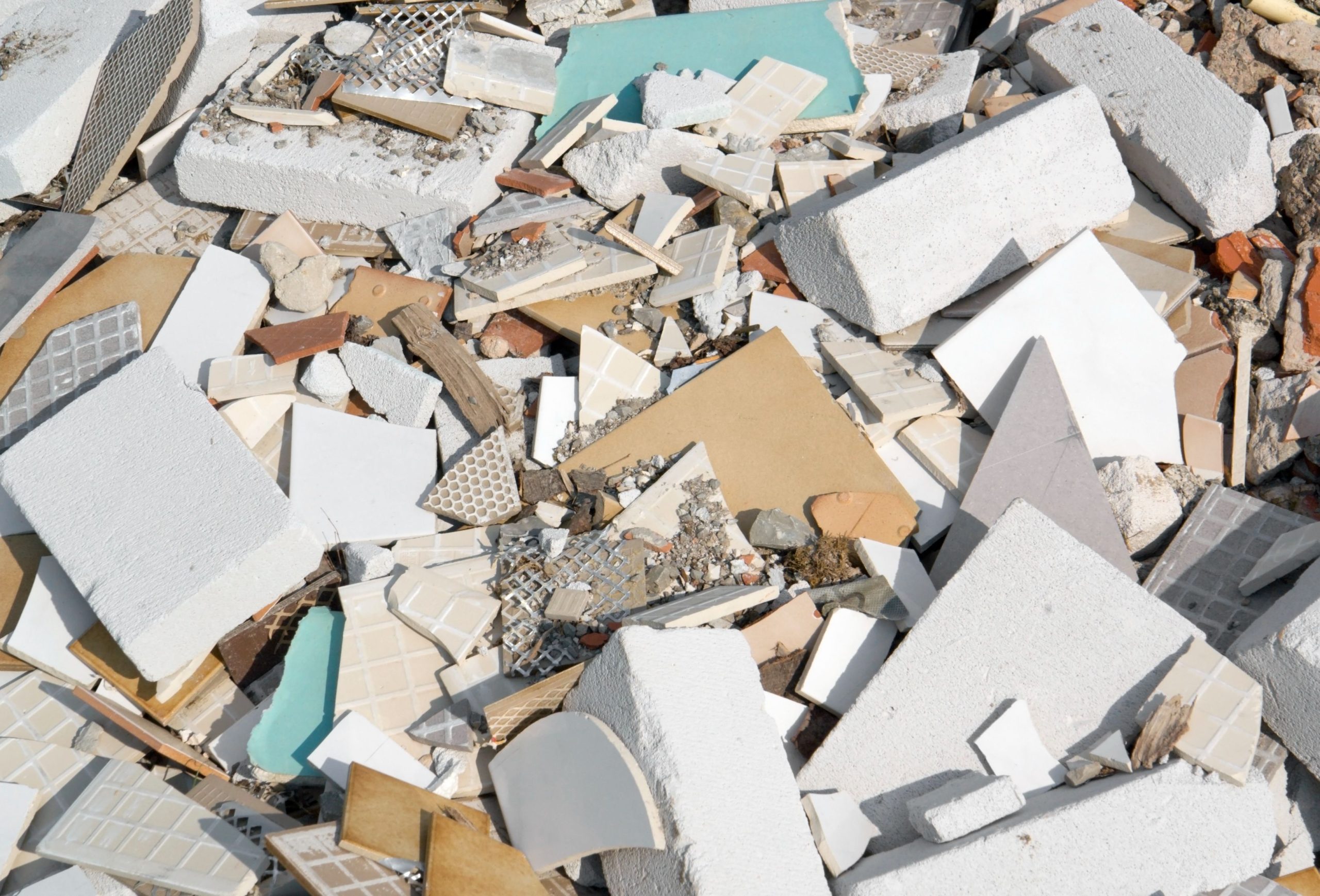
Construction and demolition waste is one of the largest global waste streams, and still growing. Market and policy analyses point to a construction-waste market well over 200 billion USD in 2023 with continued growth through 20321, reflecting the scale of materials being discarded. Commercial interior furnishings are frequent culprits due to short refresh cycles, driving recurring waste and embedded-carbon impacts from new materials.
Traditional sales galleries are resource-intensive spaces. Long operating hours, constant air conditioning, and bright lighting make them consume significantly more energy than typical offices, with retail-type buildings often using several hundred kWh per m² annually[2]. Likewise, maintaining large showrooms requires substantial water for cleaning, landscaping, and visitor facilities (with large commercial buildings averaging around 20 gallons per square foot per year[3]). Together, these demands highlight how conventional property showrooms carry high operational costs and environmental impact, reinforcing the value of digital alternatives that minimize energy and water use.
Physical property showings also contribute to transportation-related emissions. While cleaner mobility options are growing, most client and stakeholder visits still rely on conventional vehicles, adding to the carbon footprint of the sales process. By minimizing unnecessary travel through virtual property tours, developers can meaningfully reduce emissions and make immediate progress toward their sustainability and Scope 3 reduction goals[4].

Virtual property tours are reshaping how developers present projects while addressing the environmental impact of traditional sales galleries. By allowing buyers to explore and compare properties remotely, they significantly reduce the number of site visits, cutting down on car travel and transportation-related emissions. This is especially meaningful as the transition to electric vehicles is still underway. At the same time, digital showrooms eliminate the need for large, energy-intensive spaces, lowering both operational energy use and material consumption tied to frequent renovations.
These virtual experiences also align with circular economy principles, where the goal is to eliminate waste, reuse materials, and extend the life cycle of assets. Instead of constantly building and dismantling custom showrooms, developers can invest in long-lasting digital assets that can be reused across projects and geographies. In real estate, adopting circular strategies such as designing buildings for easy disassembly, reusing and repurposing materials, and maintaining detailed digital records could reduce material-related CO₂ emissions by nearly 38% by 2050.
The industry is already progressing in this direction. Organizations like RICS and the UK Green Building Council highlight how design for reuse and resource-efficient practices can substantially cut embodied carbon and construction waste. For developers, combining sustainable interior designs for the few physical spaces that remain with virtual property tours for large-scale engagement offers an effective model: reducing waste, improving efficiency, and accelerating the real estate sector’s path toward zero-waste marketing.
Beyond their environmental advantages, virtual property tours are transforming how developers market and sell projects. By moving showrooms online, developers can overcome traditional barriers of time, geography, and accessibility. Buyers and investors can now explore developments anytime, from anywhere in the world, a capability that greatly expands exposure and shortens the sales cycle.
Digital showcases also deliver continuous visibility. Unlike physical galleries that close their doors at the end of the day, virtual tours remain live 24/7, attracting ongoing traffic and maintaining marketing momentum. Immersive, visually rich experiences allow prospects to examine layouts, finishes, and surroundings in realistic detail, which increases engagement, builds confidence, and helps buyers make decisions faster.
In addition, many virtual-tour platforms now integrate data analytics that track visitor interactions, such as which units or amenities attract the most attention, giving sales teams actionable insights to fine-tune their strategies and prioritize high-value leads. This combination of accessibility, interactivity, and data intelligence makes virtual tours one of the most powerful tools for modern real-estate marketing.
At MytePro, we’ve taken this vision further through our advanced Virtual Tour System, built to combine immersion with intelligence. Our solution enables developers to showcase their projects in hyperrealistic visuals and interactive features that engage buyers and investors across borders, without the limits of physical galleries. Each virtual experience is supported by real-time analytics, helping sales teams understand buyer behavior, focus on the most convincing prospects, and make faster, data-driven decisions.
With a proven track record of empowering over 5,000 developers worldwide, MytePro continues to redefine property marketing by helping clients achieve both sustainability goals and commercial success through immersive digital experiences. Join the growing community of forward-thinking developers embracing virtual technology to elevate visibility, build buyer trust, and drive performance, all in one intelligent, connected platform.
[Sources]
MytePro
Since 1997, we have been committed to creating flexible, transformative software solutions that brings real value to the real estate and construction industries. As a leading PropTech provider in Asia-Pacific, we support over 7,000 developers and contractors solve real problems, boost efficiency, and gain a competitive edge. We always believe in openness and collaboration. By working closely with our clients and partners, we’re building a connected ecosystem that helps the industry grow stronger, faster, and smarter.
Ready for More Good Reads?
 Your subscription has been successful.
 Your subscription has failed.